The small details that make watching elephants so special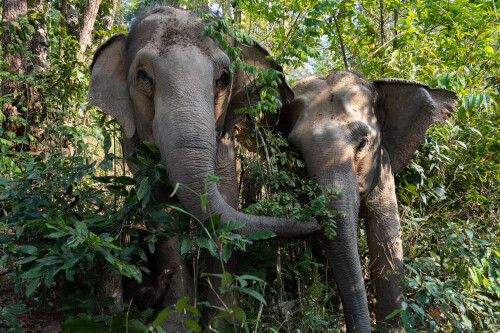
An elephant sanctuary in Thailand offers more than a chance to see these gentle giants up close. It is also an opportunity to learn about their natural behaviour and how they communicate. Whether visiting an elephant jungle sanctuary in Thailand or learning about elephant welfare in Thailand, understanding these little signs can make every encounter more meaningful. After all, finding the
best elephant sanctuary in Thailand is also about understanding what elephants need to feel comfortable in their surroundings.
What elephants tell you at an elephant sanctuary in ThailandElephants communicate in many ways, using body movements, sounds and interactions with their surroundings. While no single gesture can tell the whole story, paying attention to their behaviour can offer useful clues about how they might be feeling. At an
Elephant Sanctuary in Thailand, taking a step back and observing rather than seeking constant interaction allows visitors to appreciate these animals at their own pace. Here are some everyday behaviours worth noticing.
1. A slow, swinging tail
An elephant’s tail is often on the move, gently swishing from side to side to help keep flies and other insects away. However, tail movements can vary depending on the situation, so they should not automatically be taken as a sign of happiness or relaxation. When observing elephants, it is always better to look at their overall posture and behaviour rather than focusing on one small movement.
2. Soft, half-closed eyes
You may sometimes notice an elephant with its eyes partly closed, particularly when it is resting. This can be a natural part of taking a quiet moment, but eye movements alone cannot tell us exactly how an elephant feels. Its posture, surroundings and other signs of behaviour all help provide a clearer picture.
3. Gently Flapping Ears
Those large ears do more than help elephants hear. They also play an important role in keeping the body cool. As elephants flap their ears, blood flowing through the many small vessels inside them can lose heat. In Thailand’s warm climate, this is a particularly interesting behaviour to look out for when learning about elephant welfare Thailand.
4. Trunks reaching out to say hello
An elephant’s trunk is an incredibly useful tool for exploring the world. It helps with smelling, touching, feeding and communicating with other elephants. When one reaches its trunk towards something nearby, it may simply be gathering information through touch or smell. It is fascinating to watch, but it does not necessarily mean the elephant is inviting people to touch it.
5. A little dust and mud play
Rolling in mud or throwing dust over the body is more than just a playful sight. These behaviours can help protect an elephant’s skin from sunlight and biting insects, while also helping with temperature regulation. At an elephant jungle sanctuary Thailand, seeing elephants choose when and where to enjoy these activities can offer a glimpse into their natural routines.
6. Family members keeping calves close
Elephants are social animals, and young calves often stay close to their mothers and other familiar members of the group. They learn through observation and interactions with older elephants, while closeness can also provide comfort and reassurance. Respecting these family relationships is an important part of supporting elephant welfare Thailand and allowing elephants to maintain their social bonds.
7. Standing still to listen
Sometimes, an elephant may pause during an activity, raise its head or adjust its ears as it listens to something nearby. Elephants use sound to communicate, and their hearing helps them stay aware of their surroundings. A quiet pause can be just as interesting to observe as a more active moment, so there is no need to rush an encounter.
From a gently swinging tail to calves staying close to their families, every behaviour offers a glimpse into an elephant’s world. Whether visiting elephant jungle sanctuary Thailand or exploring an elephant sanctuary in Thailand, taking time to observe these natural signs helps us better understand elephant welfare Thailand. When considering
Which is the best elephant sanctuary in Thailand?, remember that a meaningful encounter begins with respecting elephants’ needs and giving them the freedom to be themselves.







 |
โปรโมชั่นแฟรนไชส์
| ร้านหนังสือออนไลน์
| สนใจลงโฆษณา


 0 ตอบ
 8 อ่าน

 แชร์