 Quick Answer:
Thailand’s Destination Thailand Visa (DTV) and Long-Term Resident (LTR) visa have made it realistic for remote workers to base themselves in Phuket for years, not weeks. Neither visa gives any right to own property, but together they have created a new kind of buyer: someone who wants a long-term home on the island, not a holiday asset. Foreigners can own condominium units freehold within the 49% foreign quota, which is the route most live-anywhere buyers take.
Five years ago, a remote worker in Phuket was usually a tourist on a 30-day stamp, hopping to a neighbouring country every few weeks to reset the clock. That has changed. Thailand now offers visas designed around people who earn abroad and want to live here, and the property market is beginning to reflect it.
Thailand’s Visas Now Invite Remote WorkersThe Destination Thailand Visa launched in July 2024 and has become the default option for location-independent professionals. Based on the Thai Ministry of Foreign Affairs and Royal Thai Embassy guidance, the key terms are:
- Valid for five years with multiple entries.
- Each stay can last up to 180 days, with one extension of a further 180 days available at Thai immigration.
- Applicants need proof of funds of at least THB 500,000.
- The government fee is THB 10,000.
- Applications are made through the Thai e-Visa system from outside Thailand.
The visa is a special category of tourist visa, so holders cannot take a Thai work permit or work for Thai clients. Remote work for employers and clients based overseas is the intended use.
Rules are also tightening at the edges. According to the Department of Consular Affairs, applications submitted on or after 31 August 2026 must include a criminal record clearance certificate, and supporting document requirements vary by embassy. Anyone planning a move should check their local Thai embassy’s current list before booking anything.
The LTR Visa Serves Higher EarnersThe Long-Term Resident visa, run through the Thailand Board of Investment, sits at the other end of the scale. Its Work-from-Thailand Professional track is aimed at remote workers employed by established overseas companies, with income of at least USD 80,000 a year over the previous two years. ASEAN Briefing reports that the employer revenue threshold for this track was lowered from USD 150 million to USD 50 million, widening the pool of eligible applicants.
The visa runs for ten years, covers spouses and children, and removes most of the repeat immigration paperwork that shorter visas involve.
| Destination Thailand Visa | LTR (Work-from-Thailand Professional) |
| Validity | 5 years, multiple entry | 10 years |
| Stay per entry | Up to 180 days, extendable once by 180 days | Continuous |
| Financial test | THB 500,000 in funds | USD 80,000 income per year over the last 2 years |
| Typical user | Freelancers and remote employees | High-earning remote professionals |
| Right to buy property | None | None |
The last row matters most for this discussion. Neither visa changes who can own what.
Who the Live-Anywhere Buyer IsThe live-anywhere buyer is not a retiree and not a short-term tourist. In practice, this buyer tends to be:
- A remote employee or business owner in their thirties to fifties, often from the UK, Europe, Australia or North America.
- Someone splitting the year between Phuket and other bases, spending several months on the island at a time.
- A buyer who has usually rented first, sometimes for a full season or more, before committing.
- Often travelling as a couple or a family, which raises the importance of space, schools and healthcare.
The Nation Thailand reported in September 2026 that Phuket’s residential market has passed 705 billion baht in total value, across more than 90,000 units, with resort condominiums and villas making up 52% of supply. The same report notes that digital nomads, technology entrepreneurs and high-income remote workers are beginning to show greater interest in second homes on the island, alongside the established buyers from Russia, China and Europe.
Key point: Phuket’s property market now exceeds 705 billion baht in value, and remote workers are an emerging buyer group within it (The Nation Thailand, September 2026).
Visas lower the commitment of staying. Property is how a trial stay becomes a base.
What a Live-Anywhere Buyer Looks ForBecause this buyer is often away from the property for part of the year, priorities differ from a traditional holiday-home purchase. The most common requirements are:
- Reliable connectivity. Fibre internet in the building and a workable space at home are non-negotiable for someone who earns remotely.
- Lock-up-and-leave convenience. Professional building management, security and maintenance matter when the owner is overseas for months at a time.
- Clear, registrable ownership. A freehold title in the buyer’s own name is far more reassuring than a structure they do not fully understand.
- A neighbourhood that works for daily life. Beach access, restaurants, supermarkets, gyms and healthcare within a short drive.
- Space and quiet. Low-density layouts and green space suit people who spend whole days at home on video calls.
Where Bang Tao FitsBang Tao has built a reputation on the west coast as a place where beach life and everyday infrastructure sit close together. Its mix of long-established resort areas, restaurants, co-working spaces and quieter residential pockets makes it a natural base for people who work from a laptop.
For those ready to move from renting to owning, buying property in
Bang Tao Beach Phuket comes down to a few decisions: which residence type fits the way you will use it, how the title is held, and how the building is managed when you are not there.
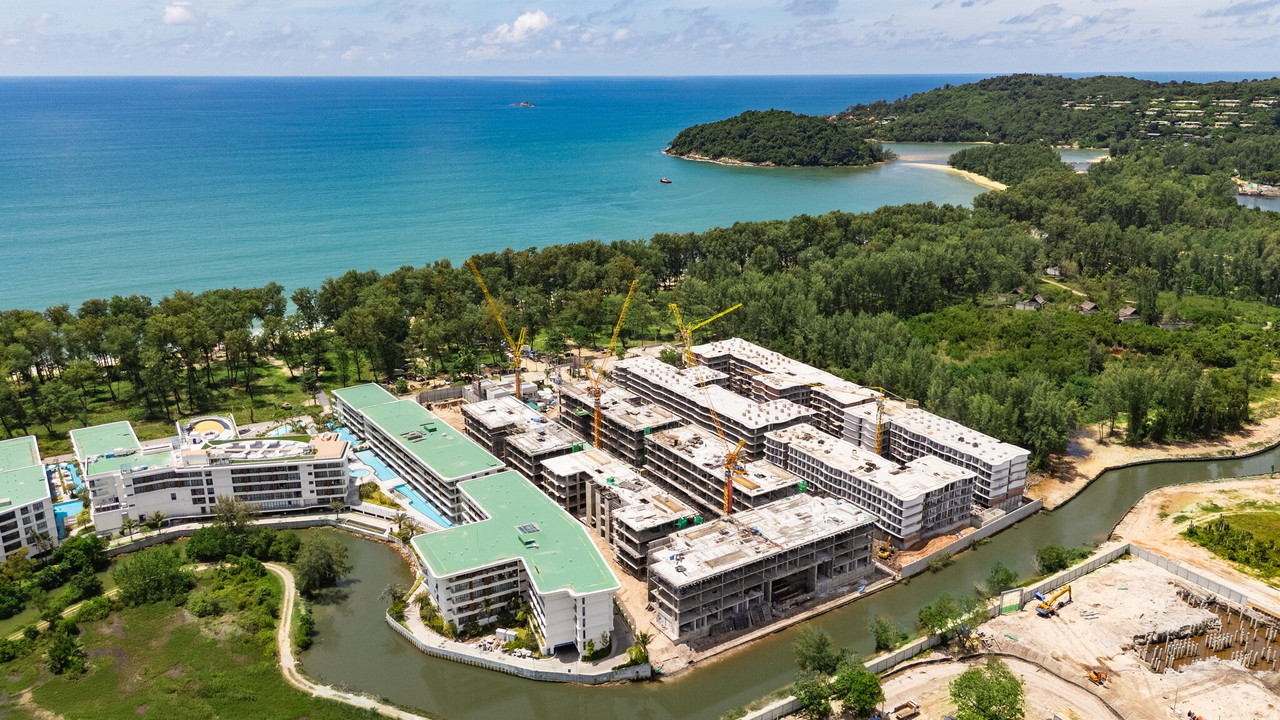
Gardens of Eden, developed by Amal Development Company Limited, is one example of a project built around this profile. It sits about 50 metres from Bang Tao Beach, is planned around a large share of green space, and includes an ETRO Residences collection created in partnership with the luxury fashion house ETRO, part of the LVMH Group. Residences range from one-bedroom units suited to investment and flexible use through to larger family homes.
How Foreigners Can Actually Own PropertyA visa does not entitle anyone to buy, so the legal route matters. In summary:
- Foreign nationals can own condominium units freehold, provided foreign ownership in the building does not exceed 49% of the total unit area under Thailand’s Condominium Act.
- Foreigners generally cannot own land in their own name, which is why villa purchases are usually structured as leaseholds or through other arrangements that need specialist legal advice.
- Funds for a condominium purchase are expected to be brought in from abroad in foreign currency, and the bank issues a foreign exchange transaction form that supports registration at the Land Department.
- A lawyer should review the reservation agreement, sale and purchase agreement and title documents before any money moves.
Residency status and days spent in Thailand also affect tax, so take qualified advice before purchase.
Practical Steps Before You Buy- Rent first if you can. A full season in the area shows whether the location suits your working life.
- Match the visa to your plans. If you will stay beyond 180 days at a stretch, understand the extension and exit rules for your visa.
- Check the quota. Confirm with the developer in writing that foreign ownership in the building remains within the 49% limit.
- Ask about management. Find out who runs the building, what the common area charges are, and how rental is handled.
A New Era for Phuket PropertyRemote work visas did not create the Phuket property market, but they have changed who is looking at it. Buyers who once treated Phuket as a holiday destination now use it as a place to live and work for months at a time.
Frequently Asked Questions about Visas in PhuketCan I buy property in Thailand with a DTV or LTR visa?Yes, but not because of the visa. Ownership rules depend on nationality and property type, not visa category. Foreigners can buy condominium units freehold within the 49% foreign quota.
Can I work for Thai clients on the DTV?No. The DTV allows remote work for employers and clients based outside Thailand only.
Sources: Thailand Ministry of Foreign Affairs and Royal Thai Embassy DTV announcements (August to September 2026); Thailand Board of Investment LTR visa programme; ASEAN Briefing; The Nation Thailand (12 September 2026); Thailand Condominium Act.[/list]







 |
โปรโมชั่นแฟรนไชส์
| ร้านหนังสือออนไลน์
| สนใจลงโฆษณา


 0 ตอบ
 6 อ่าน

 แชร์